
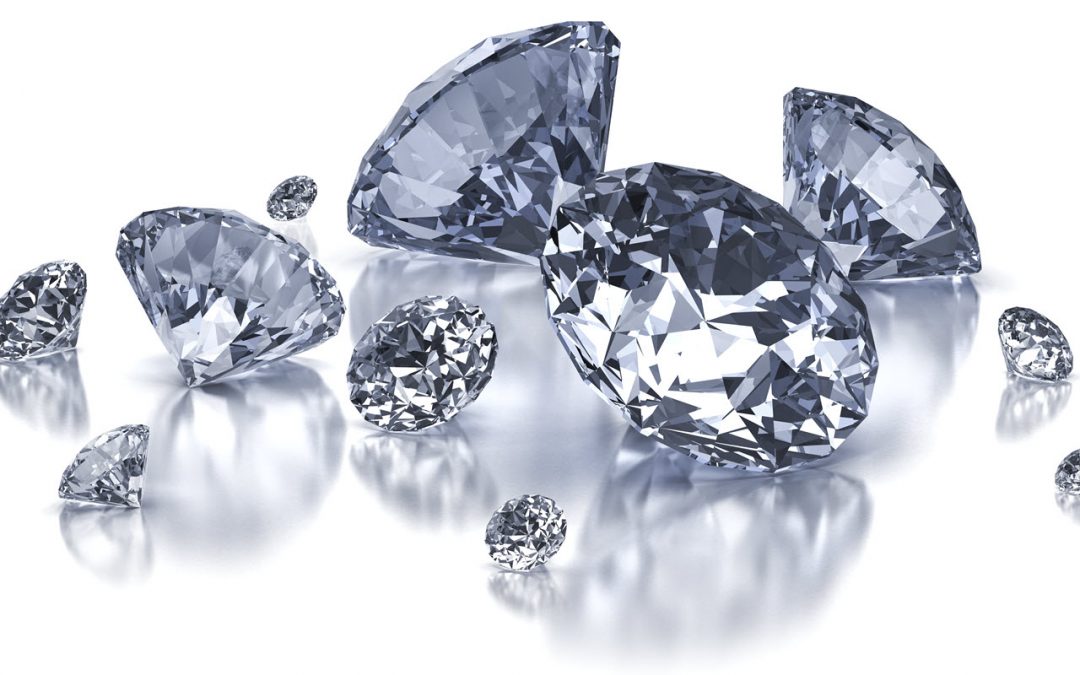
For many people, jewellery is among their most treasured possessions. A fine piece can be beautiful, valuable and deeply personal all at the same time. that’s why these jewellery storage tips are so important.
A necklace might have been passed down through several generations. A wedding ring may carry decades of memories. A collection of gold, platinum or diamond jewellery may represent a significant financial asset. And for some collectors, jewellery is both a passion and a way of holding wealth in a tangible form.
Whatever the reason you own it, valuable jewellery deserves more consideration than simply putting it in a drawer when you aren’t wearing it.
Improper storage can contribute to scratches, tarnishing, corrosion, gemstone damage and deterioration over time. There is also another consideration that is easy to overlook: security. The most carefully maintained piece of jewellery is of little comfort if it is not adequately protected against theft, loss or other risks.
Here are five jewellery storage tips to help you protect your collection for years to come.
1. Store Jewellery in a Cool, Dry and Stable Environment
One of the simplest ways to protect jewellery is to pay attention to where you store it.
Humidity, heat, sunlight and environmental contaminants can all contribute to deterioration. This is particularly relevant in Australia’s climate, where periods of high humidity can create challenging conditions for certain metals and materials.
Where possible, keep valuable jewellery in a cool, dry environment away from direct sunlight and excessive fluctuations in temperature or humidity.
Different materials can react differently to their surroundings:
- Sterling silver can tarnish when exposed to air and moisture.
- Gold is relatively resistant to corrosion but can still be scratched or damaged.
- Platinum is durable but can develop surface scratches and a patina over time.
- Pearls are particularly delicate and can be affected by chemicals, cosmetics and excessive moisture.
- Certain gemstones can be sensitive to heat, sudden temperature changes or prolonged exposure to sunlight.
This doesn’t mean your jewellery needs to be stored in laboratory conditions. Rather, avoid leaving valuable pieces in bathrooms, near windows, in direct sunlight or in areas exposed to significant temperature and humidity changes.
For particularly valuable or sentimental jewellery, a dedicated storage environment provides another layer of protection.
2. Keep Each Piece Protected From Scratches and Damage
Jewellery may be designed to last for generations, but that doesn’t mean it is immune to everyday wear and tear.
One of the easiest ways to damage jewellery is to store multiple pieces together in a single container.
Chains can become tangled, gemstones can scratch other pieces and harder metals or stones can mark softer materials.
A better approach is to give each valuable item its own protected space.
Consider using:
- Soft-lined jewellery boxes
- Individual jewellery pouches
- Compartments with dividers
- Anti-tarnish storage materials for suitable metals
- Separate sections for necklaces, bracelets, rings and earrings
Soft fabric such as velvet can help prevent pieces from rubbing against hard surfaces. Necklaces should ideally be stored in a way that reduces tangling, while valuable gemstones should not be allowed to knock against one another.
This is particularly important for jewellery that isn’t worn regularly. A piece that spends years sitting in storage can still suffer unnecessary damage if it is continually rubbing against other items.
A simple storage principle
Don’t let your jewellery collection become a jewellery pile.
A little organisation can make a significant difference to the condition of your pieces over time.
3. Store Different Materials With Their Specific Needs in Mind
Not all jewellery should necessarily be stored in exactly the same way.
Gold, silver, platinum, pearls and gemstones each have different characteristics, which means your storage approach should take the materials into account.
For example, silver is particularly susceptible to tarnishing. Keeping silver pieces in appropriate anti-tarnish storage can help slow this process.
Pearls require additional care. They are relatively soft compared with many gemstones and can be affected by substances such as perfume, hairspray, cosmetics and household chemicals. Pearls are best stored separately in a soft pouch or compartment where they won’t be scratched by harder jewellery.
Gemstones also vary considerably in hardness and durability. A diamond, for example, is extremely hard, but that doesn’t make a diamond-set piece indestructible. The setting can still be damaged, and a hard gemstone can potentially scratch other jewellery.
Rather than placing your entire collection into one jewellery box, consider organising it according to material, value, frequency of use and storage requirements.
This makes your collection easier to manage while reducing unnecessary contact between pieces.
4. Clean, Inspect and Document Your Jewellery
Good jewellery storage isn’t just about where you put your pieces. Regular maintenance matters too.
Before placing jewellery into long-term storage, remove residues from things such as:
- Perfume
- Moisturiser
- Makeup
- Sunscreen
- Body oils
- Dirt and dust
A soft, lint-free cloth can be appropriate for routine cleaning, but be careful about using household cleaning products or DIY solutions on valuable jewellery. Some gemstones, pearls, finishes and settings can be damaged by chemicals or inappropriate cleaning methods.
For valuable pieces, professional cleaning and inspection by a reputable jeweller can be worthwhile.
Don’t forget to inspect the jewellery
Storage is also a good opportunity to check for potential problems.
Look for:
- Loose gemstones
- Damaged clasps
- Bent settings
- Worn prongs
- Broken chains
- Scratches or unusual marks
Catching a small problem early can potentially prevent the loss of a gemstone or further damage to the piece.
Keep a record of your collection
For valuable jewellery, consider maintaining a simple inventory containing:
Item → Description → Purchase date → Estimated value → Photographs → Valuation/documentation → Storage location
Clear photographs can be particularly useful for insurance records and identification purposes.
For higher-value pieces, professional valuations should also be kept up to date where appropriate. Speak with your insurer about their requirements, as coverage limits and documentation requirements can vary considerably between policies.
5. Think Beyond the Jewellery Box: Where Should You Store It?
This is perhaps the most important consideration for anyone with a significant jewellery collection.
A jewellery box may protect your pieces from scratches, but it does very little to protect them from theft.
Likewise, keeping jewellery in an ordinary household drawer provides convenience, but it doesn’t provide much security.
What about a home safe?
A properly installed, appropriately rated home safe can provide an additional level of security. However, the suitability of a home safe depends on factors such as its construction, security rating, installation, location and what you are trying to protect.
There is also an important distinction between protecting jewellery from everyday damage and protecting it from external threats.
A safe in your home is still located inside your home.
For high-value jewellery, precious metals, important documents and irreplaceable family heirlooms, some people therefore consider storing their most valuable possessions away from their primary residence.
Consider Professional Off-Site Storage
A professional safe deposit facility can provide an alternative for items that you don’t need to access every day.
At Private Vaults, our facility in Redcliffe provides secure off-site storage for valuables including jewellery, watches, gold, silver, platinum, important documents and other treasured possessions.

Private Vaults provides individual safety deposit boxes and bullion lockers in Redcliffe, Brisbane, allowing customers to store valuables in a purpose-built facility rather than keeping everything at home.
Don’t Forget the Sentimental Value
One of the biggest mistakes people can make when thinking about jewellery is focusing exclusively on its financial value.
A piece might be worth $2,000 on paper, but its significance to your family could be impossible to quantify.
Consider a grandmother’s engagement ring.
Its replacement value may be relatively straightforward to calculate. Its sentimental value may be impossible to replace.
This is why security isn’t only about protecting expensive jewellery.
It is also about protecting the things that cannot simply be bought again.
Family heirlooms, old photographs, watches, letters, medals, keepsakes and other small possessions can carry enormous personal significance despite having limited monetary value.
Jewellery Storage Tips: A Simple Checklist
If you’re storing valuable jewellery for an extended period, consider the following:
✓ Keep it somewhere cool, dry and away from direct sunlight
✓ Store individual pieces separately to prevent scratches and tangling
✓ Use appropriate soft-lined or anti-tarnish storage where suitable
✓ Keep pearls and delicate gemstones separate from harder materials
✓ Clean and inspect pieces before putting them away
✓ Check clasps, settings and gemstone mounts periodically
✓ Photograph valuable items for your records
✓ Keep valuations and insurance documentation organised
✓ Review your insurance coverage and understand any applicable limits
✓ Consider whether your highest-value pieces really need to be kept at home
✓ Think about off-site professional storage for particularly valuable or irreplaceable items
Protect Your Jewellery for the Next Generation
Fine jewellery has a unique ability to connect generations.
A piece that begins as a wedding ring, necklace or watch can eventually become a family heirloom. But passing something down successfully isn’t only about keeping it in good condition, it is about protecting it throughout the years in between.
For jewellery that is rarely worn or particularly difficult to replace, professional off-site storage can provide an additional layer of security and peace of mind.
At Private Vaults Australia, we offer secure private storage in Redcliffe for jewellery, watches, precious metals, important documents and other valuables.
Because sometimes the most valuable things you own aren’t necessarily the things you wear every day, they’re the things you would never want to lose. We hope you have found our jewellery storage tips helpful.


2 months free. No long-term commitment necessary. Limited spots available.

Recent Comments